
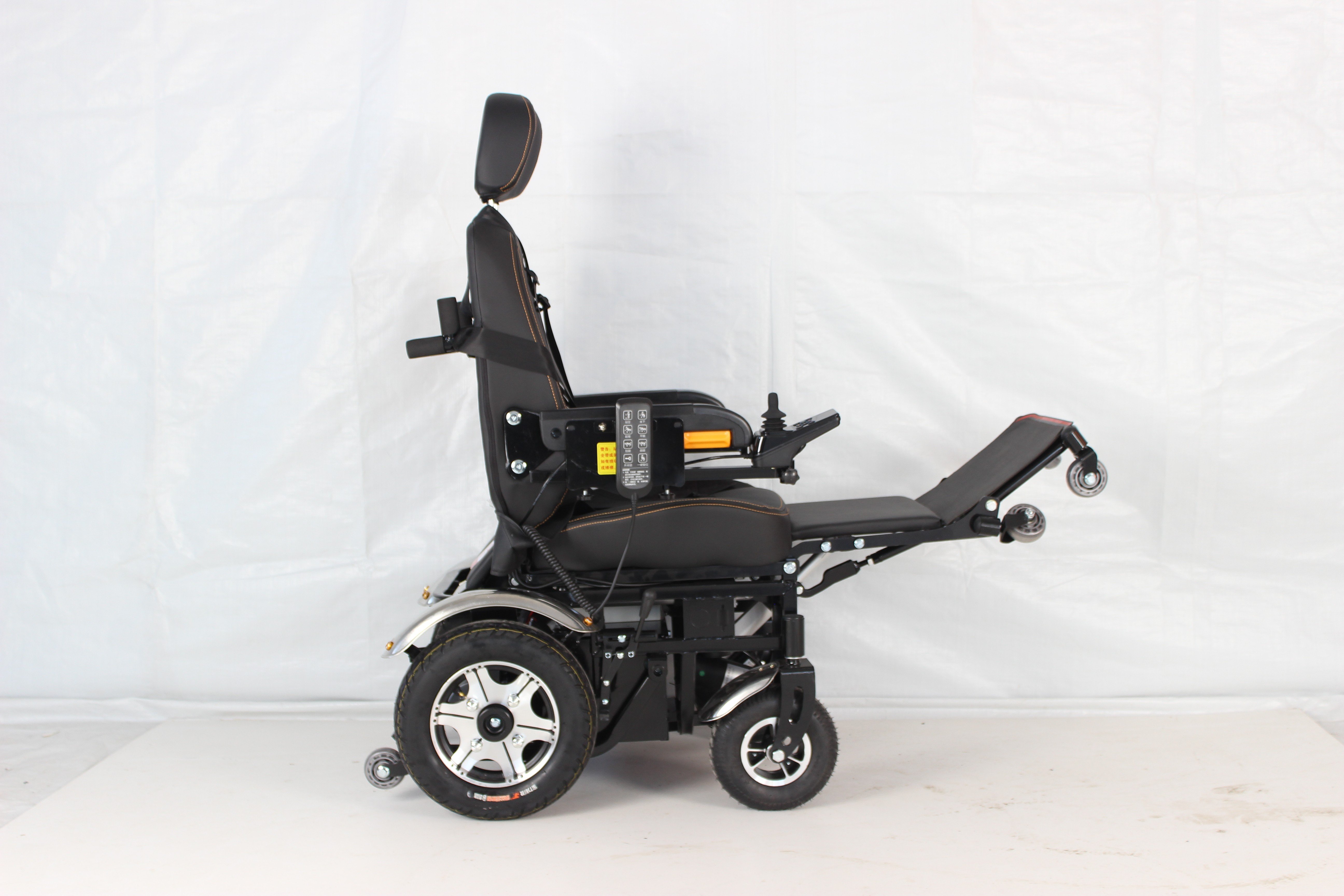
Power wheelchair users face unique challenges during emergencies, making specialized preparedness planning essential. Comprehensive emergency strategies must address mobility limitations, power dependencies, and evacuation considerations to ensure u...
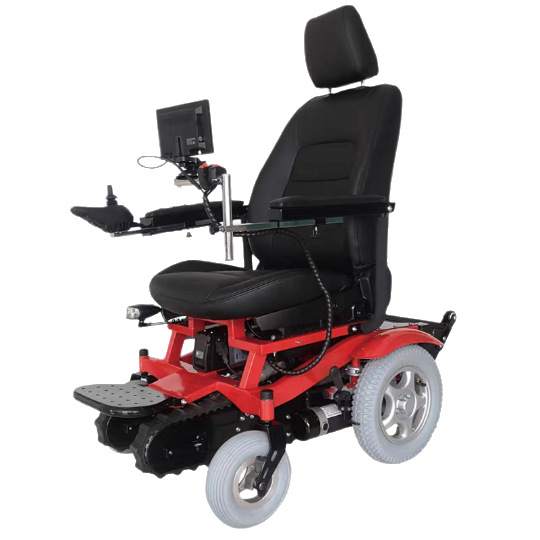
Therapeutic use of power wheelchairs has transformed modern rehabilitation practices, enabling earlier mobility and improved outcomes for patients with various conditions. Clinical evidence demonstrates that appropriate wheelchair intervention durin...
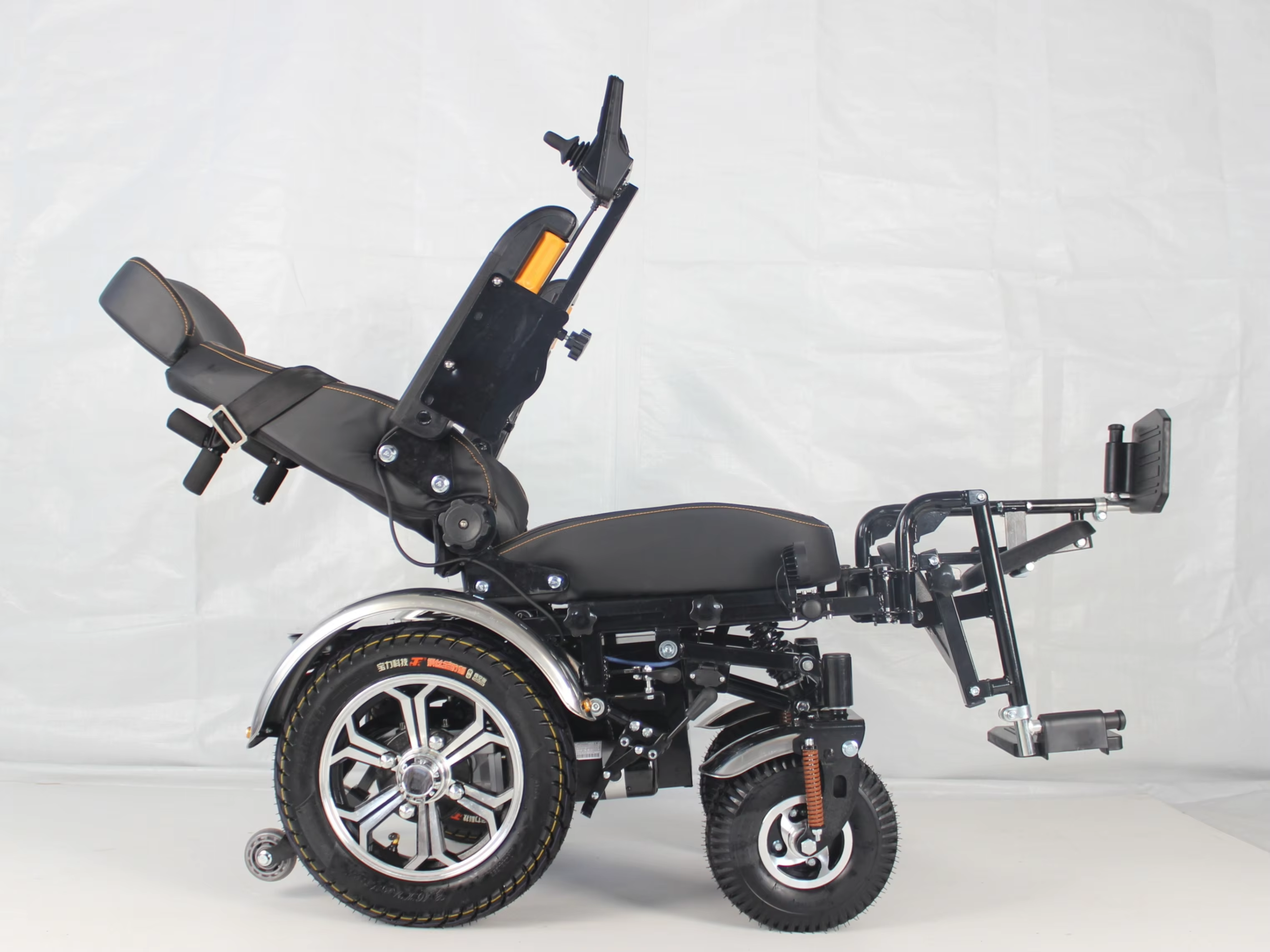
The growing focus on environmental sustainability has reached the mobility device industry, with manufacturers implementing innovative approaches to reduce the ecological footprint of power wheelchairs. Modern production methods now prioritize recyc...
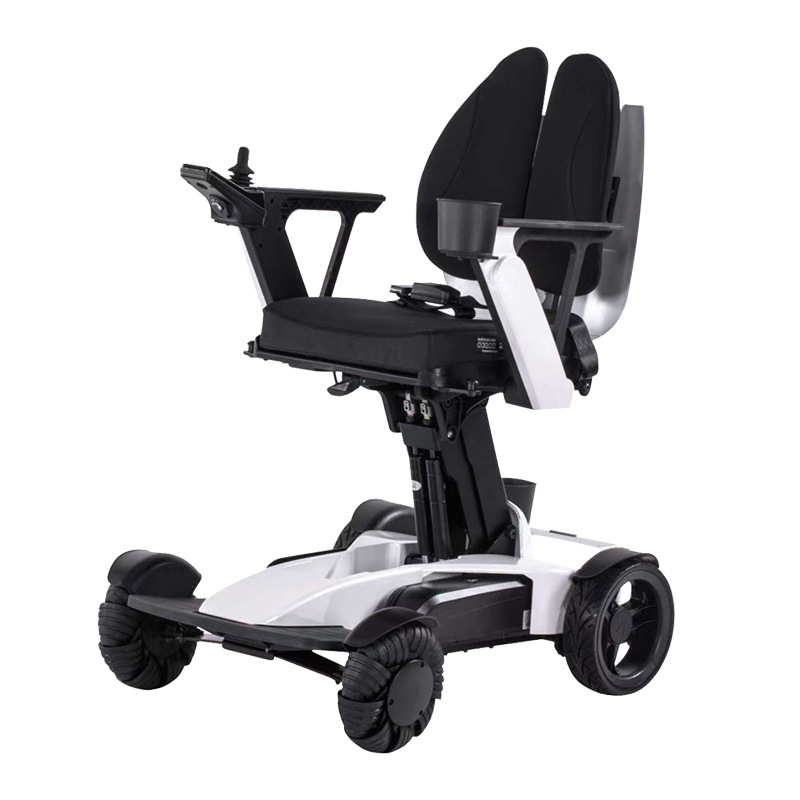
Connectivity features are rapidly transforming power wheelchairs from simple mobility devices into integrated healthcare platforms. The emergence of 5G technology and IoT integration is creating new possibilities for remote monitoring, predictive ma...
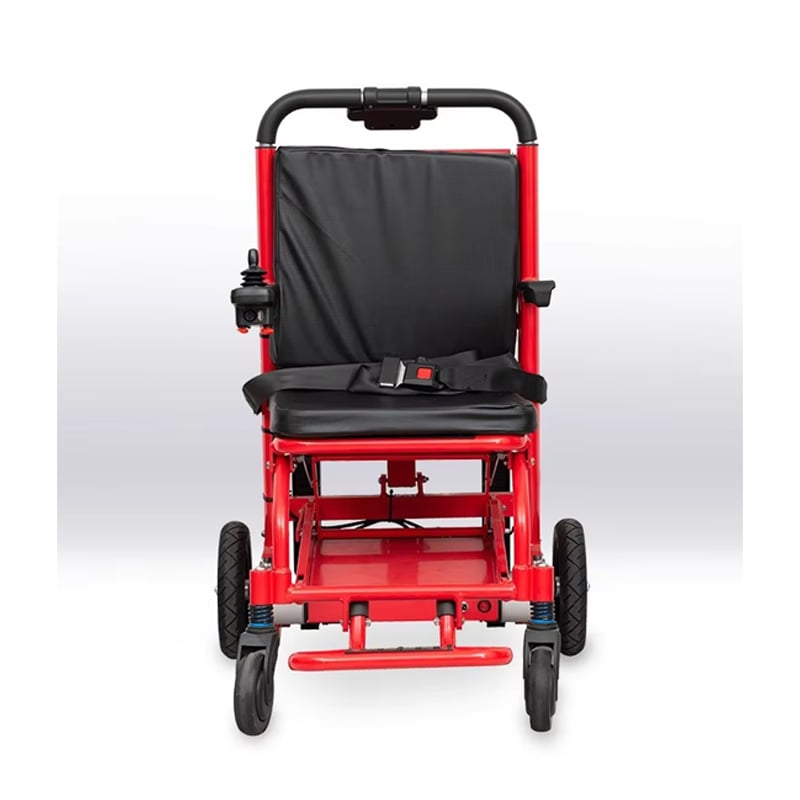
Designing power wheelchairs for pediatric users requires addressing unique physical, developmental, and psychological needs. These specialized devices must accommodate growing bodies while providing appropriate support and stimulation for young user...
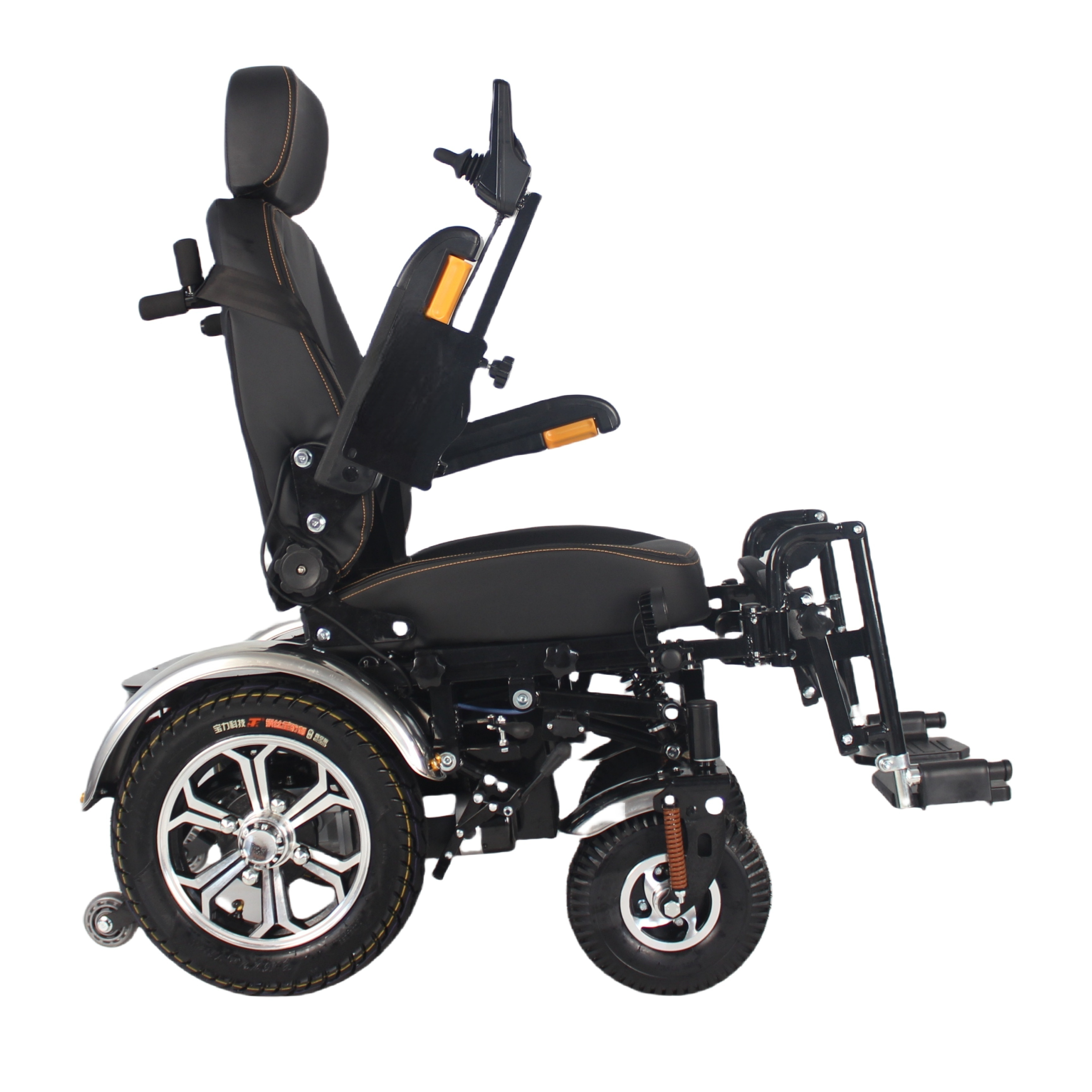
Implementing a structured maintenance schedule is crucial for ensuring the longevity and reliability of power wheelchairs. A well-planned maintenance routine can prevent unexpected breakdowns and identify potential issues before they become serious p...
Navigating the complex landscape of power wheelchair safety standards is essential for both manufacturers and consumers. International certifications ensure that devices meet rigorous safety, performance, and reliability requirements across differen...
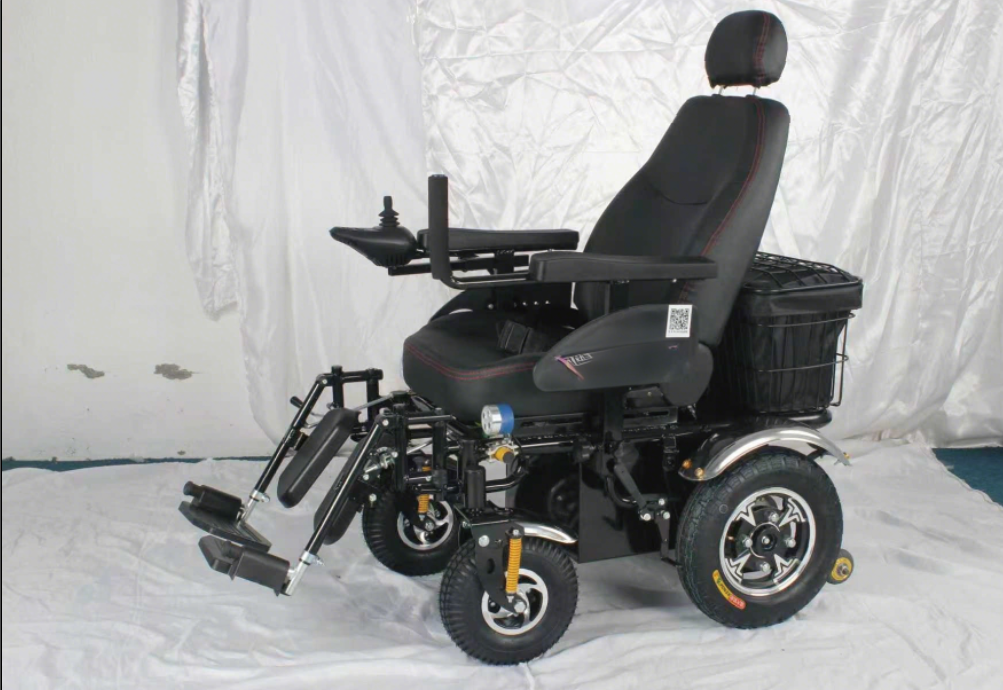
While hardware components capture much attention, software systems have become the true differentiators in modern power wheelchair performance. Advanced firmware now manages everything from power distribution to user comfort settings, creating a tru...
 EN
EN